The Shape of a Story
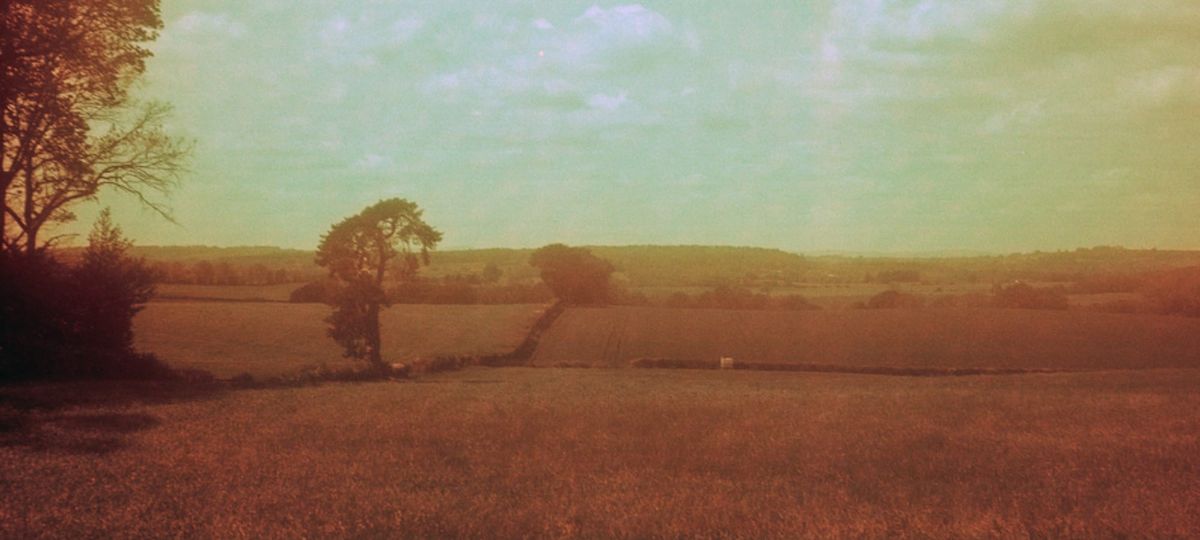
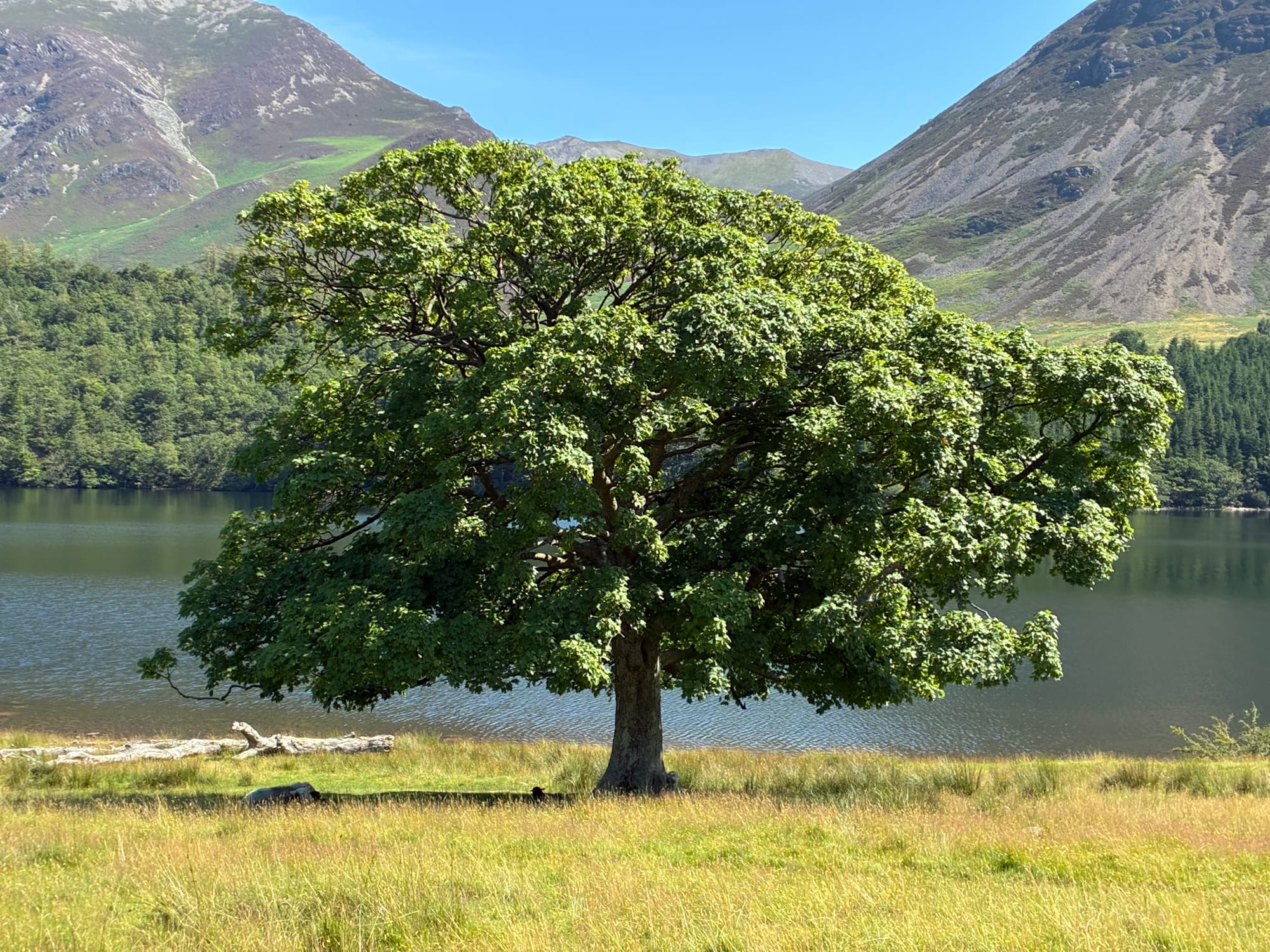
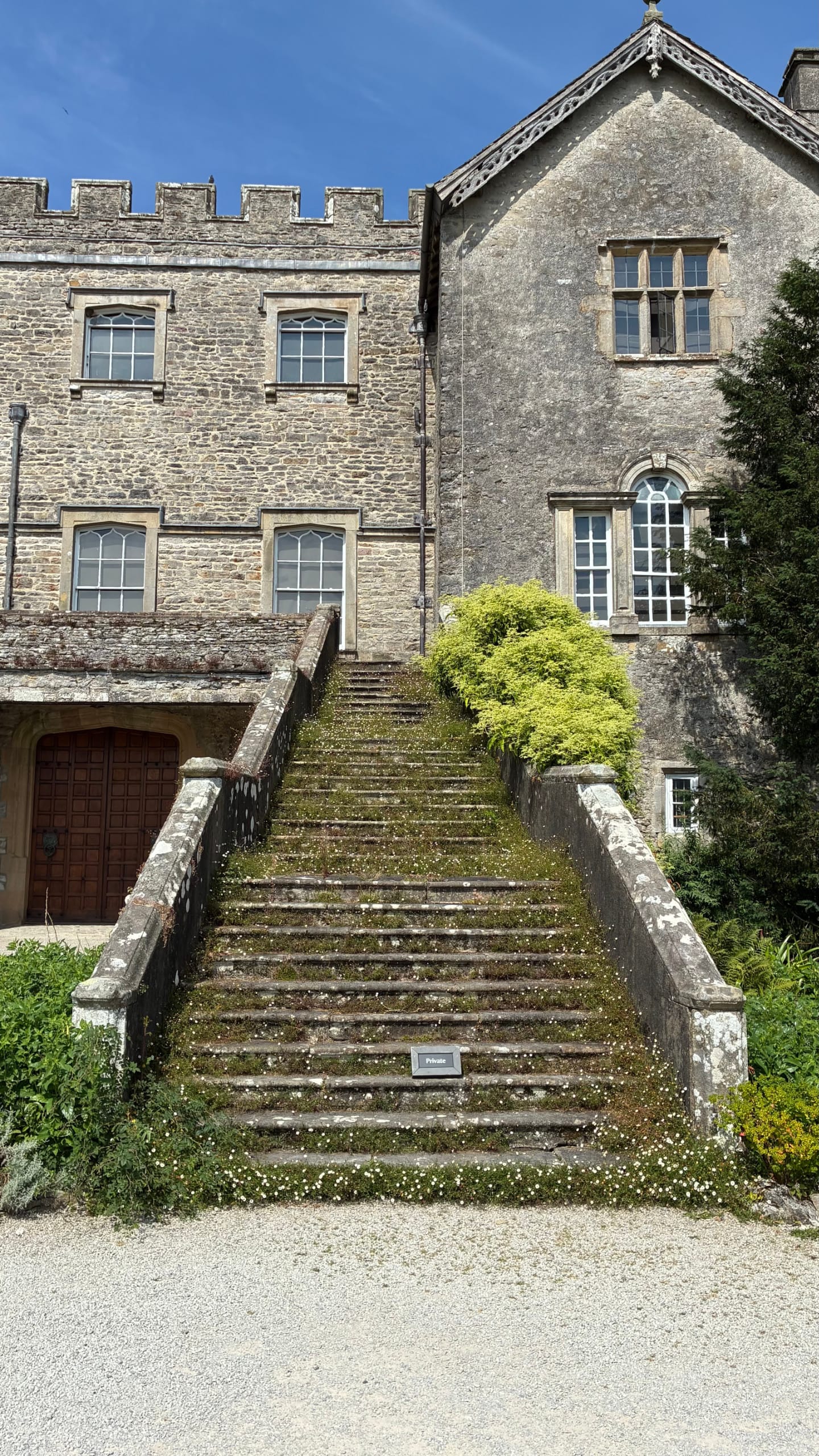
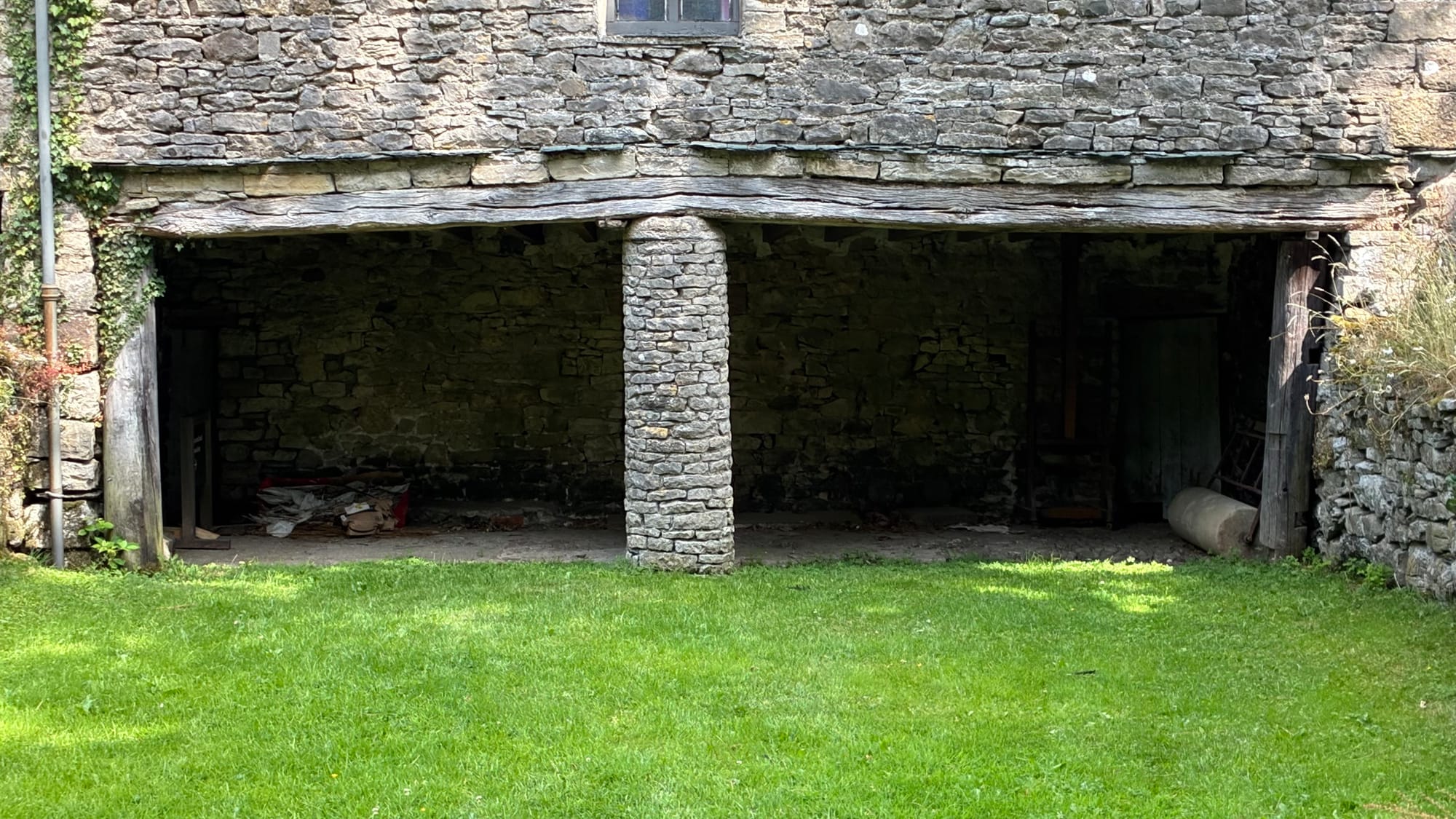
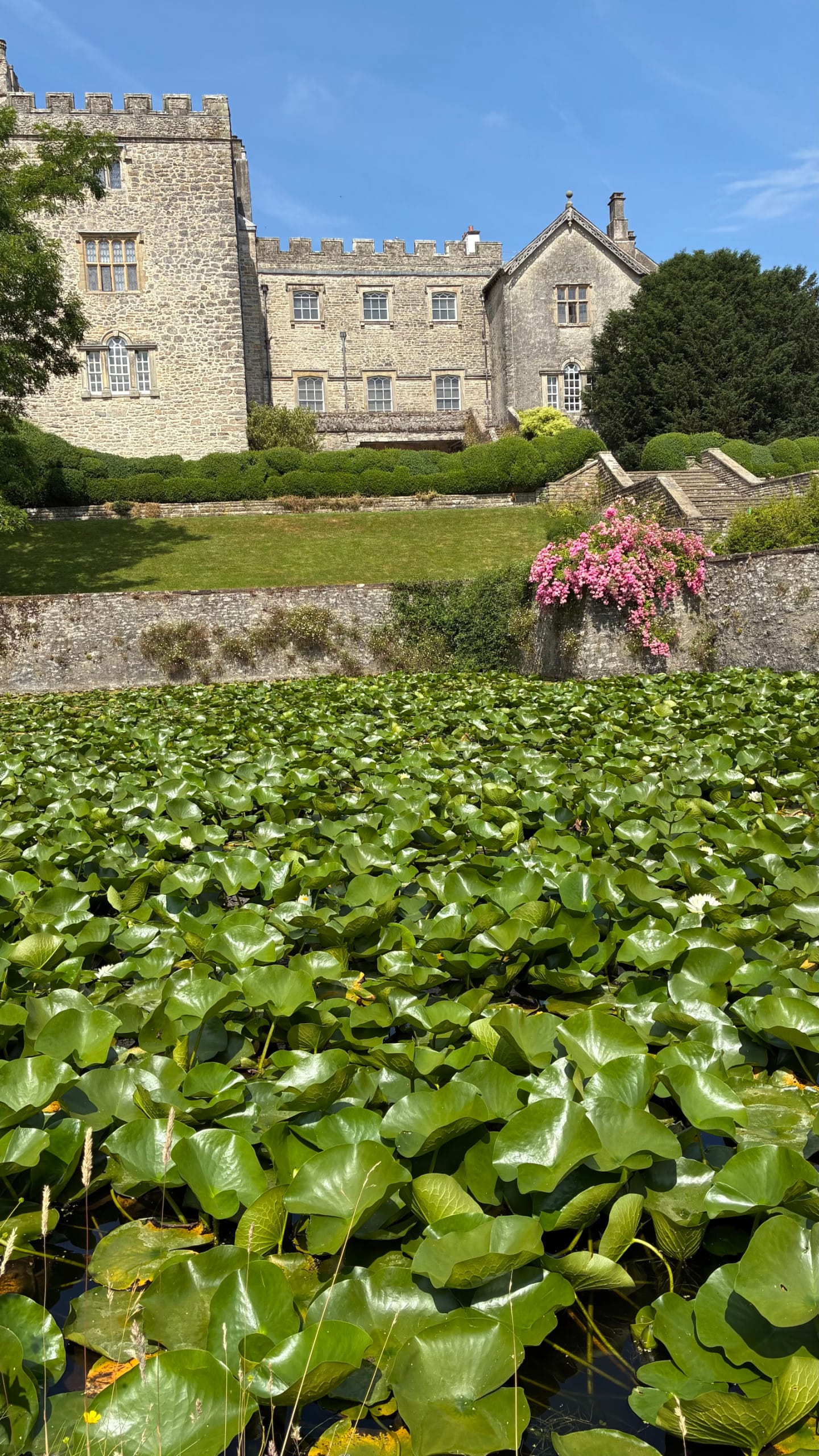
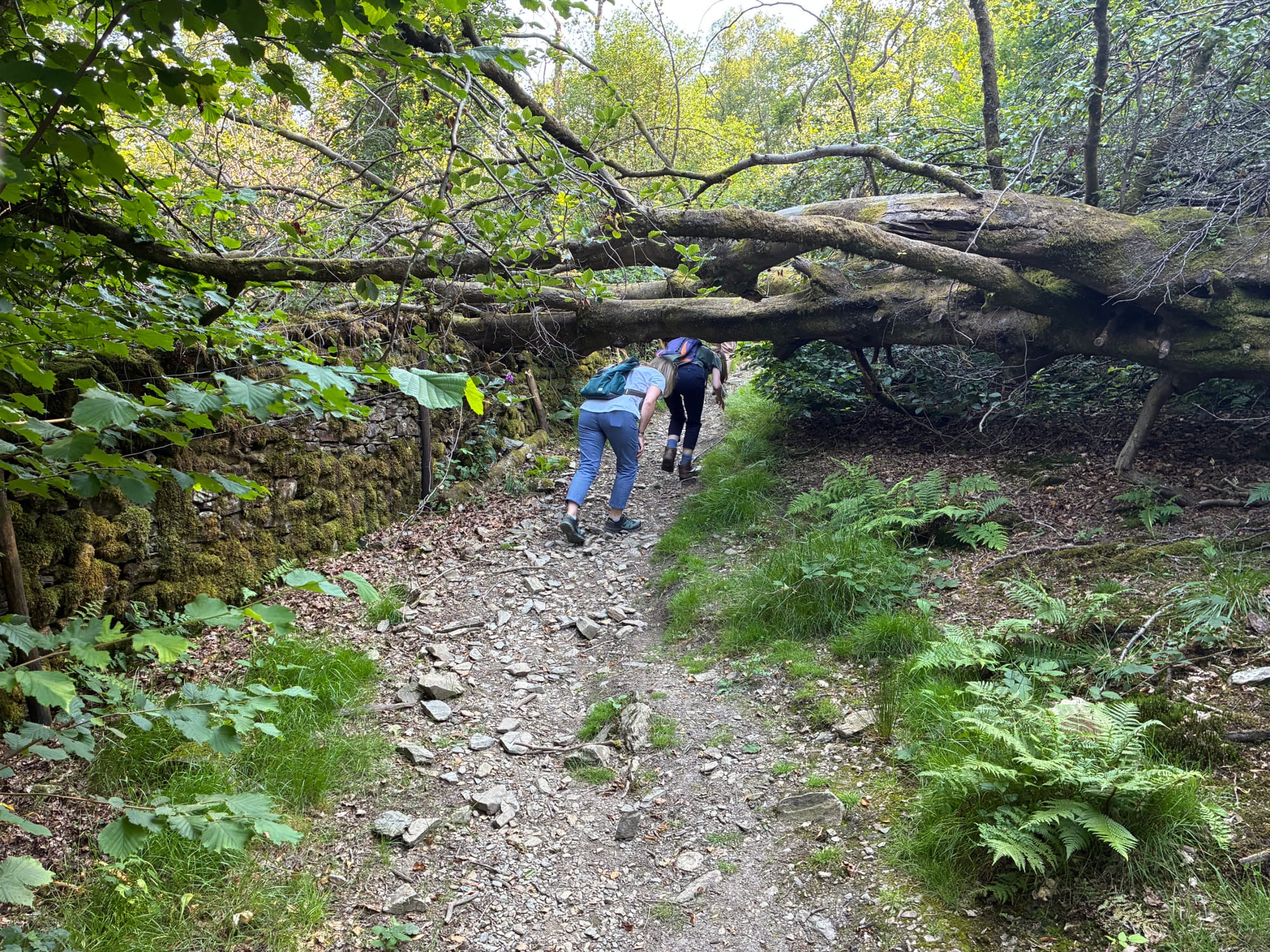
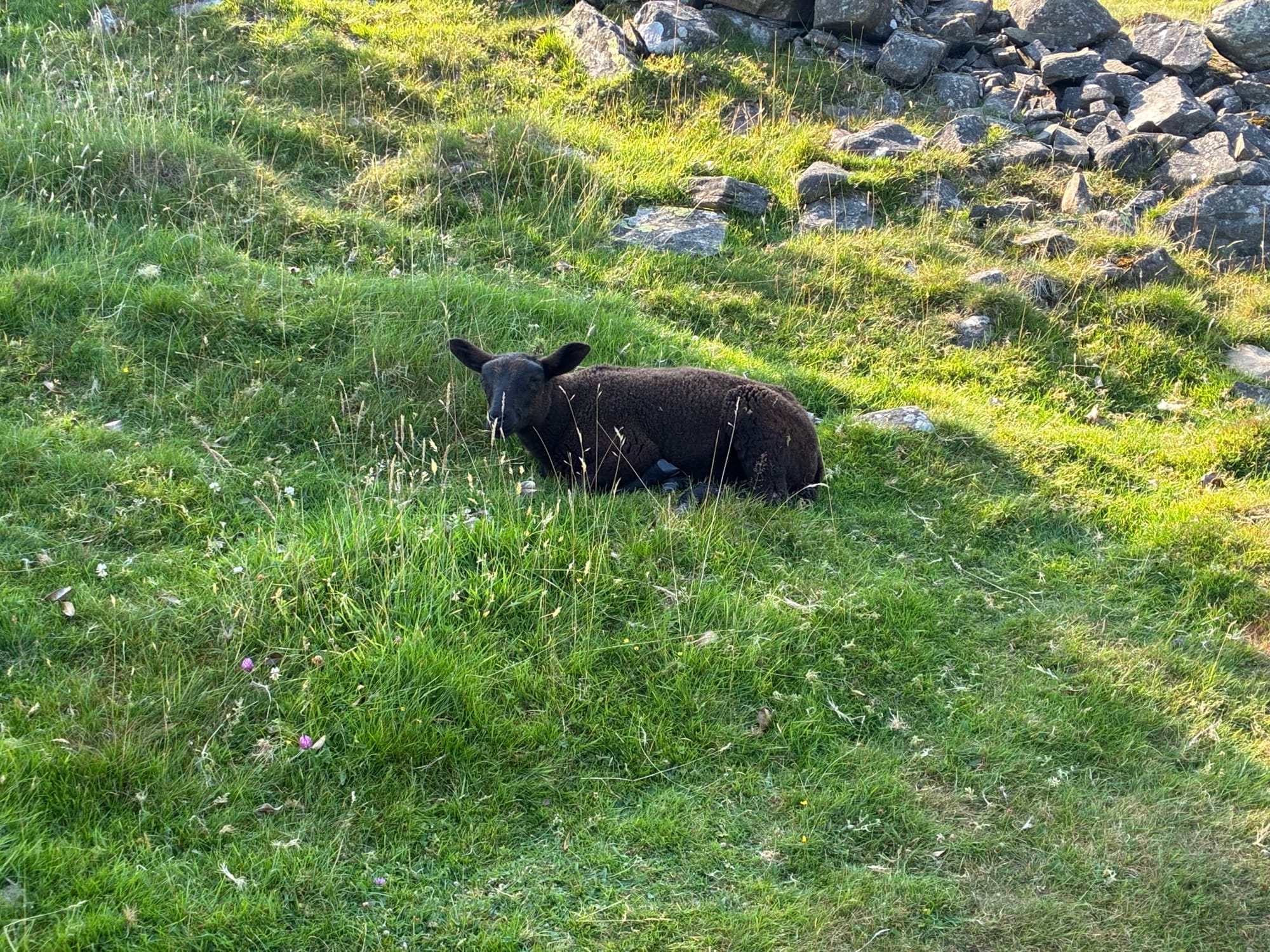
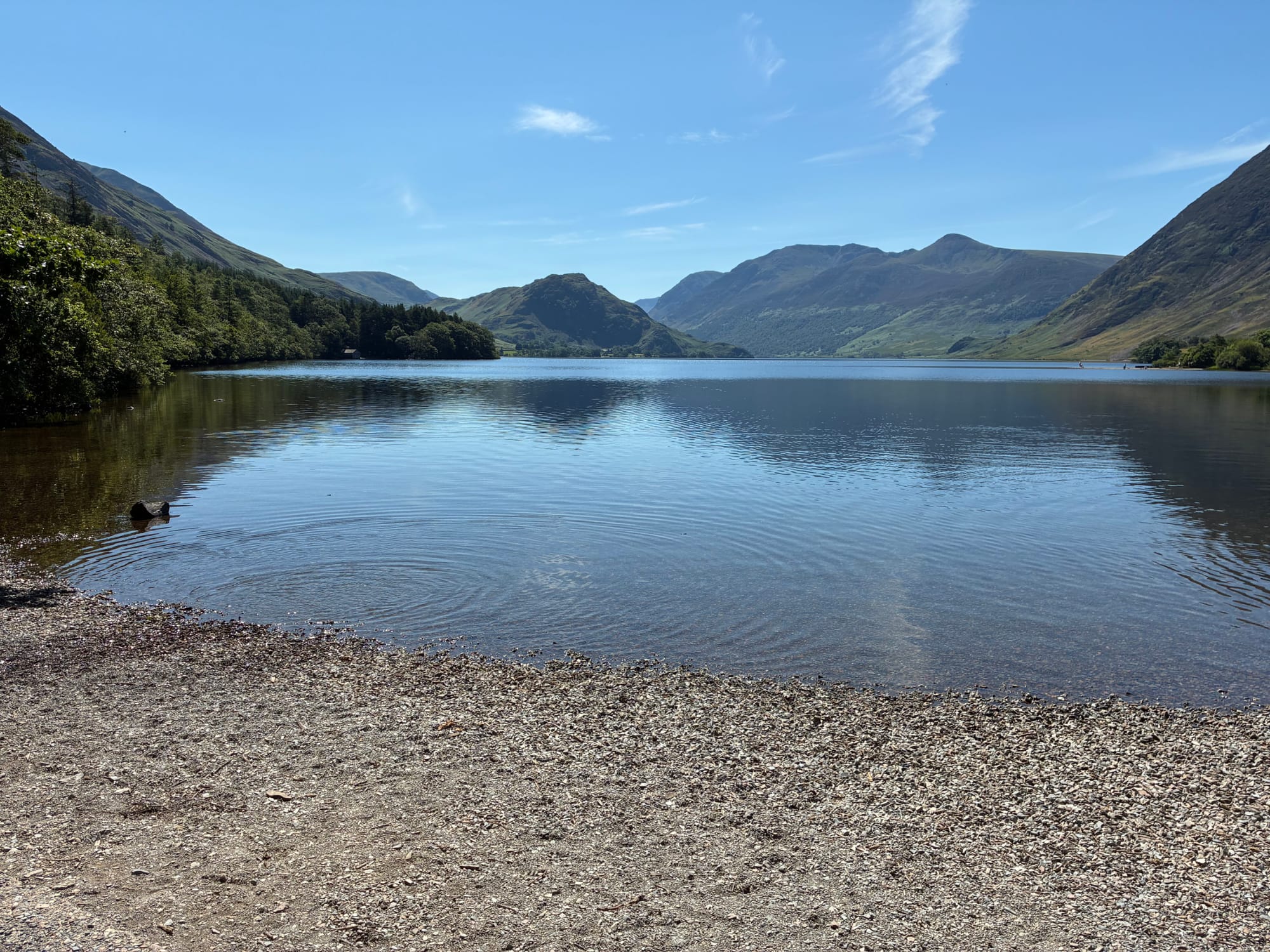
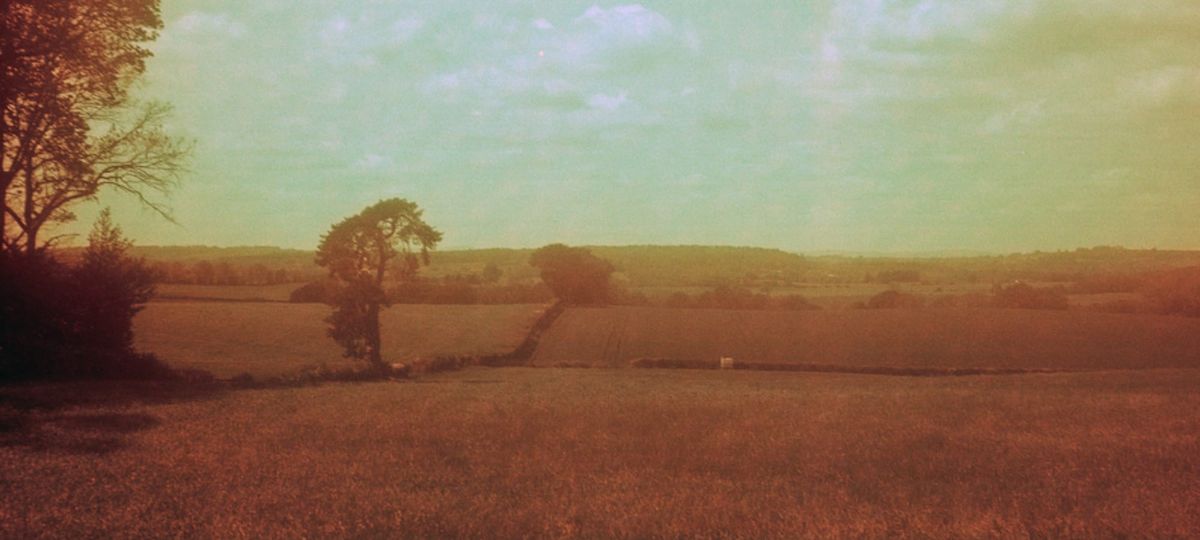
I'm back from holiday, having had a relaxing ten days or so in Newcastle and Windermere. Here a few photos. The Lake District is so very beautiful, and a precious place in our country.
My Adventures in Hidden London's Underground
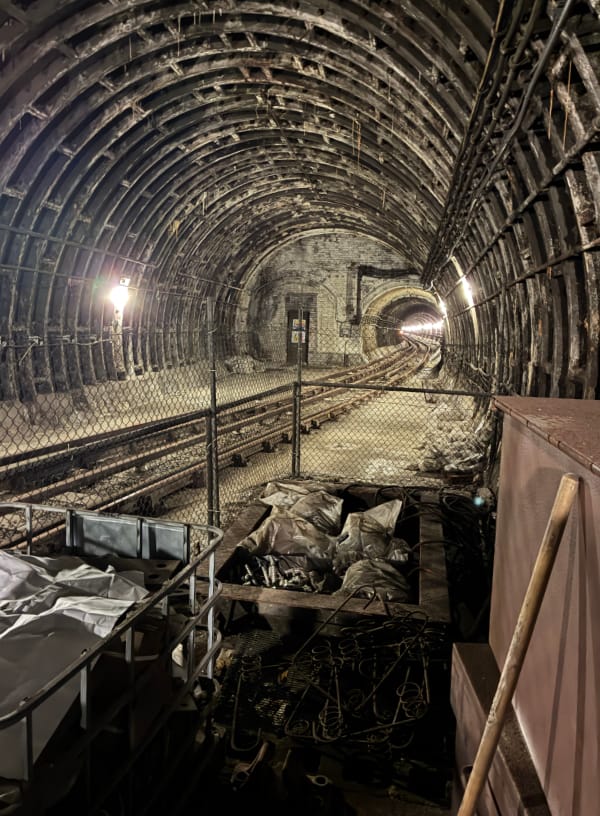
Every Tuesday, paid supporters of Writing in the Shadows get an exclusive newsletter. This week I talked about exploring one of London Underground's disused tunnels at Holborn and its representation in music videos and movies.
If you'd like to join the exclusive Tuesday Club and get instant access to the archives, click below to sign up.
The Shape of a Story: What Nature and Art Can Teach Us About Structure
Patterns. I just love them. Whether they are in nature, art, or literature, I find patterns fascinating.
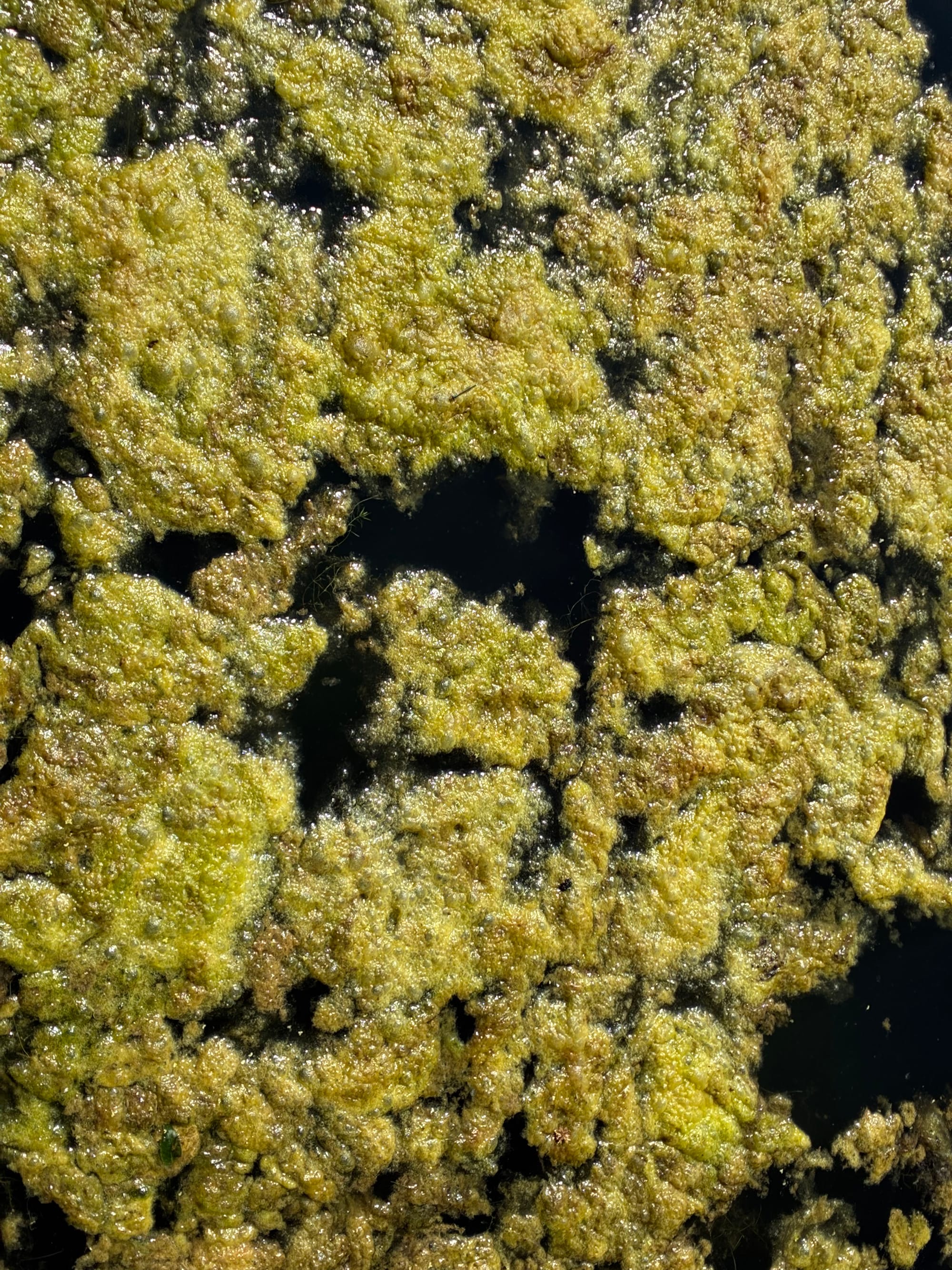
Poor Mrs Preston often finds herself hanging around on a walk, waiting while I'm crouched over something I've found and taking a photograph.
Like this pond scum in the grounds of Sizergh Castle.
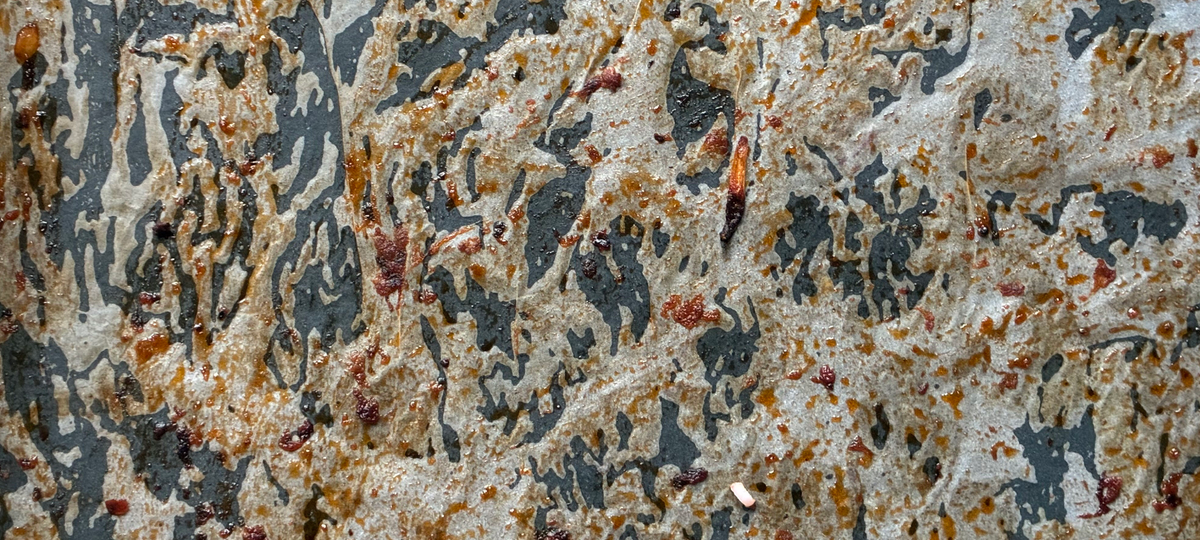
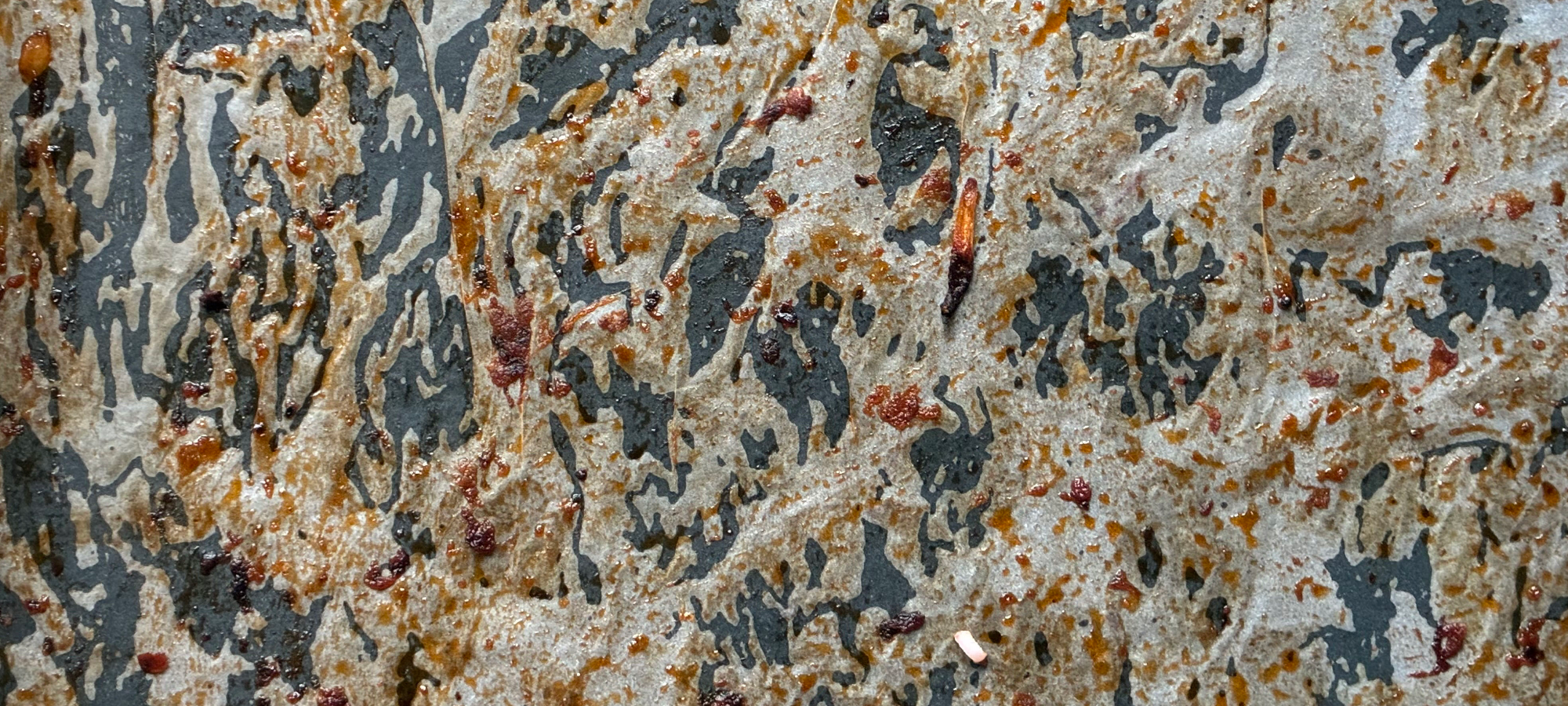
Even at home, cooking the evening meal for example, I will spot a pattern and take a photograph.
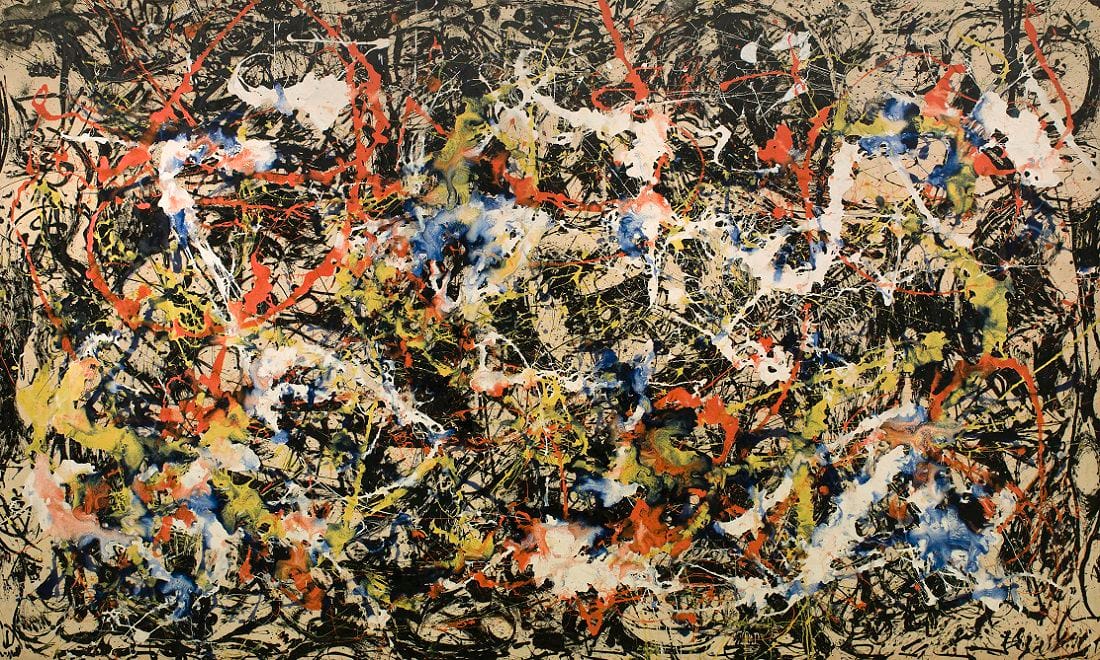
And I love the work of Jackson Pollock.
But patterns aren't just visual, and they can be found in stories and movies too. (And yeah, if you're a long-time reader of mine, you just know I'm going to be talking about Jaws at some point, right?)
First, let's take a look at the natural patterns that are hiding in stories you might be familiar with. In the second part of this post, let's take a look at how we can use them in our own work.
Fractals: the shape that repeats at every scale
A fractal is a pattern that repeats itself at different scales — zoom in, and you find the same rough shape you saw when you zoomed out. Coastlines do it. Snowflakes do it. So, it turns out, does story structure.
Author Randy Ingermanson even has an article and a book about writing a novel using the Snowflake Method.
Another way of looking at this is imagining a novel, with its classic three-act shape, working like a Russian nesting doll: the same beginning-middle-end pattern that shapes a whole novel also shapes each of its acts, and often each of its scenes too.
The three-act shape looks like this: Rising Action, Climax or Turning Point, Falling Action.
That's the three-act structure for your novel. But each act of your novel also has the same structure, with your chapters and scenes mirroring this structure too.
John Yorke talks about this in his book, Into the Woods: How Stories Work and Why We Tell Them, explaining that all stories work in this way. He describes working as a scriptwriter on the British soap opera EastEnders, and how when he was writing a scene he would shape it with the dramatic music in his head that finished every episode. In other words, each scene had to end with the same shape that the episodes did: a dramatic turning point or climax.
Jackson Pollock and the physics of the rhythms of nature
I adore Jackson Pollock's paintings.
At first glance, you might think to yourself, These are rubbish, a child could do this. But there's far more going on in these paintings that dribbles of paint.
In 1999, physicist Richard Taylor's research team ran a formal fractal analysis on Jackson Pollock's poured paintings and found that they weregenuinely fractal — patterns recurring at increasingly fine detail, the same building blocks nature uses in its own scenery. Taylor drew a sharp contrast with Piet Mondrian: Mondrian's grid paintings use straight lines and primary colours that essentially never occur in pure form in nature, while Pollock's tangled splatters are, structurally speaking, organic. Pollock's own explanation was blunter than any of the physics: "My concern is with the rhythms of nature."
If you're a writer, you may well have been asked at some point: Are you a plotter or a pantser? Plotters plot their novel out before they write a single word, while pantsers write by the seat of their pants, discovering the story as they write.
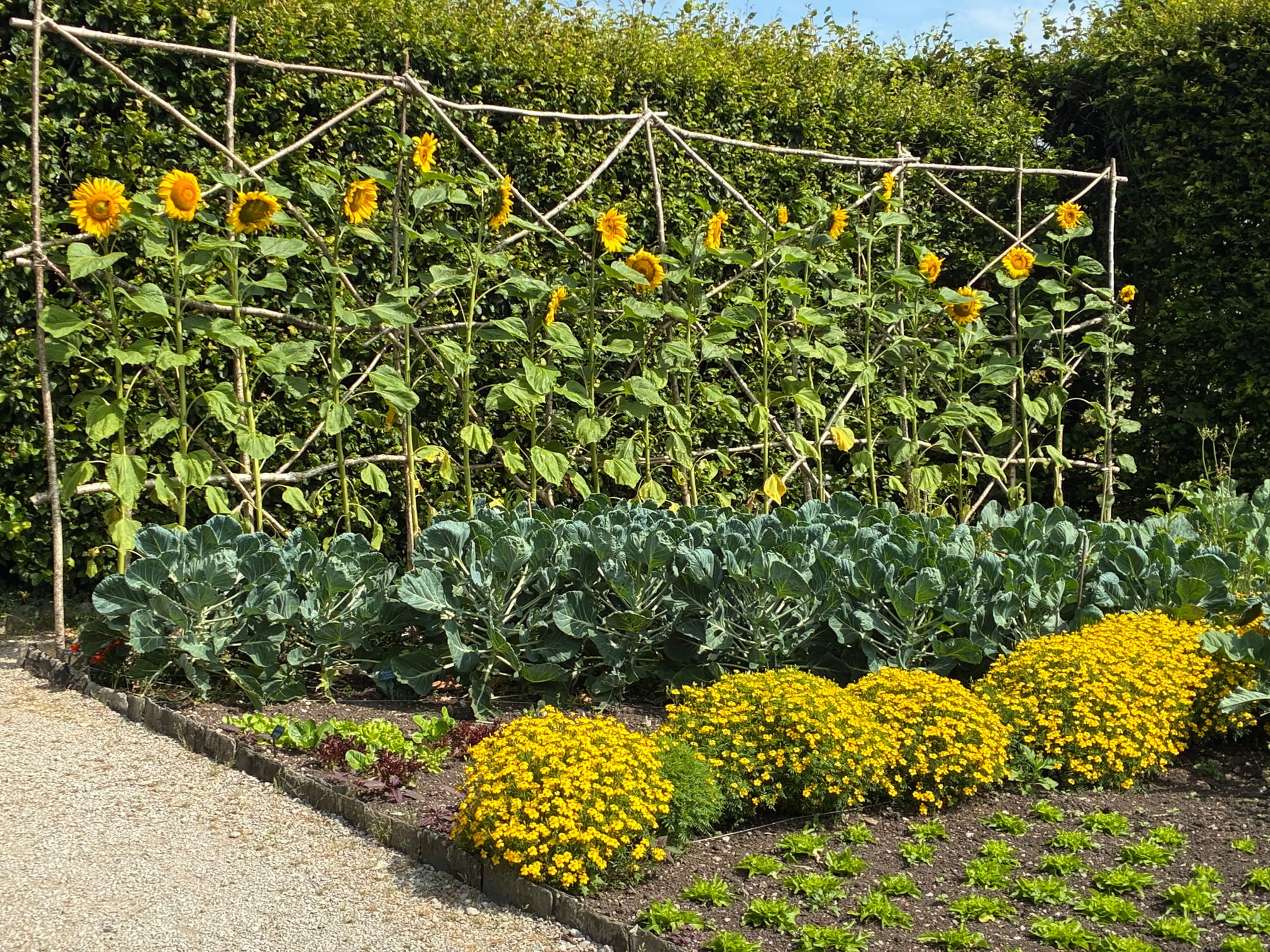
Another way of putting this is that every writer is, on some level, either a Mondrian or a Pollock. The Mondrian writer imposes a geometric structure on the story before they begin — an outline, a beat sheet, a scaffold. The Pollock writer starts with a single generative instinct and lets it repeat and sprawl until the shape emerges from the process itself.
Neither is right. But naming which one you're being, on any given project, is useful.
Are you the rigid wooden trellis, built for the sunflowers, or the sunflowers finding their own way through the trellis?
The moon that shrinks a novel
Eleanor Catton's The Luminaries won the Booker Prize in 2013, and it did so with a structure most editors would have talked her out of: the book's twelve parts wane like the moon. Part One is 358 pages long. By Part Twelve, you're down to two. The astrological logic that governs the characters in the opening section — their fates dictated by planetary aspects — dissolves along with the shrinking prose, so that by the end the characters are, like the pages themselves, operating on almost nothing but instinct and free will.
It's a natural cyclical pattern deliberately mapped onto structure and theme at the same time. It's also, not coincidentally, a close cousin to Jaws.
Jaws: patterns escalating in every direction at once
I am always looking for an excuse to talk about Jaws, so here goes.
Brody, who has a fear of the ocean, starts the film as a New York transplant settled on an island. He ends it clinging to a broken mast on a sinking boat in open water. Throughout the movie his world has been contracting, scene by scene, from a whole community down to a few feet of wood.
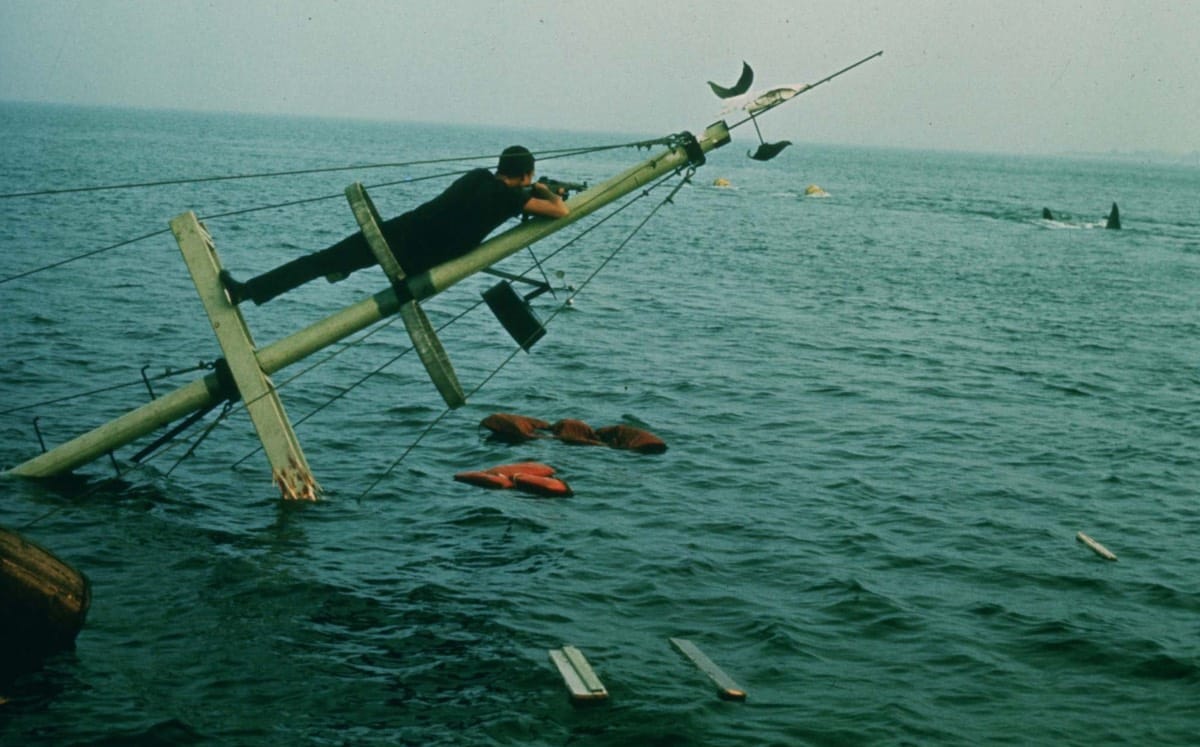
But once you start looking, that contraction is everywhere in the film, not just in Brody's arc:
- The music does it too. John Williams' famous shark motif is just two notes — but each time it returns, it comes faster and higher, the same small pattern escalating exactly the way Brody's world is contracting.
- The camera does it too. Spielberg switches between wide-angle shots that show the vastness of the ocean and telephoto shots that compress the frame during attacks, physically alternating between the expansive and the oppressive.
- The threat itself contracts. The shark is first suggested as an unseen menace beneath the surface of the ocean. Each subsequent attack reveals a little more of the shark, and sometimes it is represented by a section of pier torn loose from its pillars, or the yellow floating barrels. Finally, it's right there in the water with them, fully revealed. Each repetition of "something invisible moving on the surface" brings the danger a little closer, removing a little more distance.
- The imagery closes the loop. The Orca leaves harbour framed by a huge pair of shark jawbones hanging in Quint's shack — foreshadowing, since the boat itself is eventually consumed by the very thing it sailed out to hunt.
Every one of these is a different symptom of the same underlying rule: something repeats, and each repetition strips away a little more safety.
Part Two: Turning These Patterns Into Tools
Here's where I want to hand these over to you. Three ways to actually use what's above:
- The shrinking-moon technique. Structure a short story so that each section is roughly half the length of the one before it. Decide, before you start, what is diminishing — a character's options, their sanity, the time they have left — and let the prose itself shrink to match. The Luminariesdid it across 800 pages; you can do it across eight.
- The Mondrian/Pollock check-in. Before you start a new project, ask yourself honestly: is this one an outline (Mondrian) or an instinct (Pollock)? If you're a committed plotter, try writing one deliberately unplotted scene and see what grows through the gaps in your own trellis. If you're a natural pantser, try the opposite.
- The Jaws test. Once you've got a full draft, ask what in your story is meant to be contracting — trust, safety, options, distance from danger — and check whether every department of your craft (dialogue, pacing, imagery, even chapter length) is contracting along with it, the way Spielberg had the music, the camera, and the plot all tightening together.
None of these five tools is really separate from the others. They're all the same instruction, dressed differently: pick a simple rule, and let it repeat and scale. That's what a fractal is. It's also, when you get right down to it, exactly what my Gothic Story Matrix is doing with a pair of dice and a grid — one small generative rule, applied over and over, producing something that feels endlessly rich.
Patterns. I love them.