I Want It All (And I Want AI to Write It For Me)
‘I want it all and I want it now!’ Freddie Mercury sang in 1989, which summed up the 80’s philosophy of immediate consumption and gratification quite nicely.
We are in the 2020s now and that rallying cry can still be heard around the world, but now it is uttered by our robot overlords: Artificial Intelligence.
What a time to be alive!
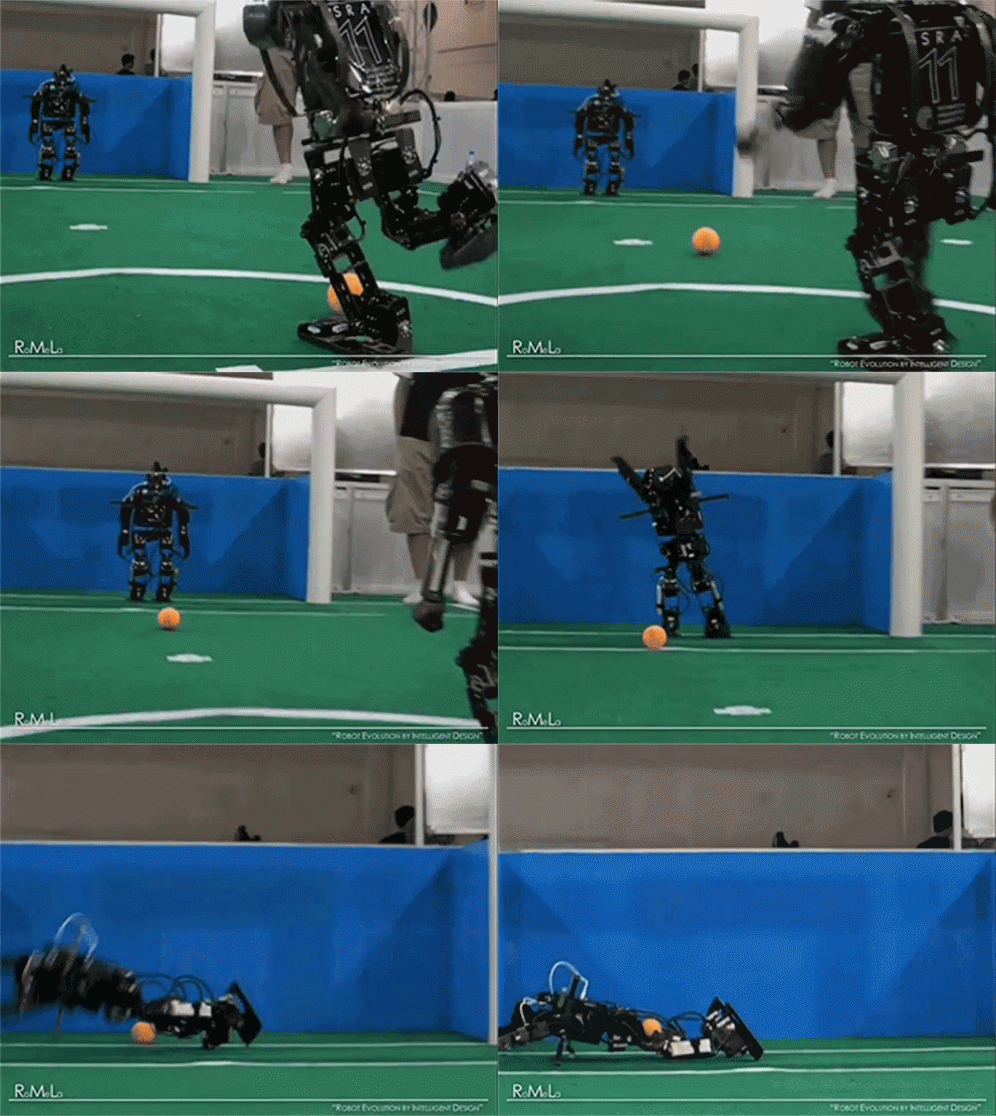
As all those Large Language Models continue hoovering up every single page of human-authored text in existence to build their own knowledge bases, isn’t it time the poverty stricken serfs (authors) struck back? Why shouldn’t we use all that knowledge available for the monthly price of a ChatGPT subscription to make ourselves rich?
Instead of bleeding over a typewriter, I could ask ChatGPT to write me a novel. The process would be a lot faster and less painful. Besides, everybody else is doing it.
The benefits of AI writing my novels
- Cost per book is near zero — No editor needed, and no cover artist as I can use Midjourney or Gemini to produce a cover.
- Speed to market means I can chase those tropes and subgenres while they’re hot. Take that, Freida McFadden!
- Volume is the actual Kindle Unlimited business model. More titles in the catalogue = more readthroughs = more cash.
- Series churn keeps titles visible in the Amazon algorithm.
- I can run several pen names across genres — Even more books!
- No burnout, no writer’s block, no bleeding over typewriters, no spending a year or more agonising over a single book.
It’s a win-win situation.
1 The Road
One of the earliest books to be written by AI is 1 The Road by Ross Goodwin. Wait a minute, I’m already getting myself in a tangle: the book was created, not authored, by Goodwin.
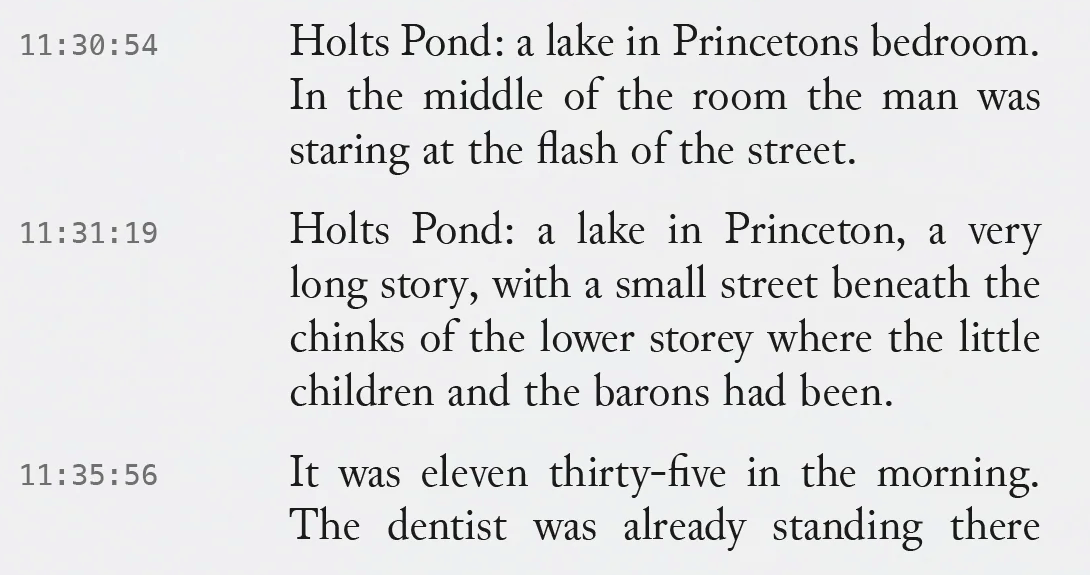
Taking inspiration from Jack Kerouac’s On the Road and Google Street View, Goodwin fitted his Cadillac with a surveillance camera mounted on the trunk, a microphone to pick up conversations inside the car, and a GPS to track the car’s location. All this information was fed into a laptop fitted with an AI program, which generated sentences printed on rolls of receipt paper as he travelled from New York to New Orleans in March 2017.
The book begins, ‘It was nine seventeen in the morning, and the house was heavy.’
Honestly, I love this.
This isn’t a book, this is a piece of experimental art. (Oh, wait, that sounds like an AI generated sentence, but it isn’t, I promise.)
AI Generated Books
If you want to know what an obviously AI generated book looks like, just head over to this handy list on Goodreads. I’m not going to comment on the veracity of this list, but certainly some of them betray the language of AI generated text:
The snow fell in solemn silence, blanketing the Carpathian Mountains in a hush older than language.
She thought she was simply an artist. But the canvas was calling her home.
For the first time her composure slipped—not breaking, just loosening.
The storm arrived like a decision.
None of these sentences are wrong (well, maybe that last one is) but AI generated books use language like this all the time, and wading through it for an entire novel can be a grind. Thankfully though, most AI books tend to be short.
But AI tells aren’t fixed and the rules are changing all the time. Forget about the Em dash—That is so 2025.
So, obviously AI generated? I don’t know, it’s getting trickier to tell all the time. One element that does seem to remain consistent, especially in fiction, is the smoothness of the text. AI doesn’t know how to vary its writing style (sentence length, paragraph clusters) for pacing and mood.
Shy Girl
Mia Ballard originally self-published her horror novel Shy Girl in February 2025, and gathered over 4,900 ratings on Goodreads at an average of 3.5 stars. Hachette Book Group acquired the rights and published Shy Girl in the UK in November 2025.
Then the claims that it had been written by AI started rolling in, Hachette cancelled the planned USA publication and discontinued the UK one.
I’m not getting into the argument about Shy Girl. I don’t have the time, or the inclination. If you want to dive in, feel free.
But here’s the thing. I see so many of these AI tells now, and I use Claude for research and brainstorming, so I’m getting slapped in the face with this language every day. And my fear is that this language, produced by a machine using statistical extrapolation, is seeping into our lives so deep we may well all wind up writing AI generated text.
Why I will continue writing my own work
- The process is part of the value. I learn how to write better through writing, and I learn a little more about myself and others.
- Creating this work is more valuable to me than buying it. Imagine a baker who only bought cakes but never made them.
- Writing can be a solitary experience, but there is community and connection too. An AI bot can never replace a creative writing workshop, with people and messy first drafts and random musings and coffee and biscuits.
- It’s private and virtually free. Pen and paper cost little and there are no passwords or worries about tracking and privacy.
- And finally, how can Claude or ChatGPT replicate my lived experiences, both good and bad, my creative urge, and my search for meaning?
It can’t, and it never will.
That's enough of that for the moment!
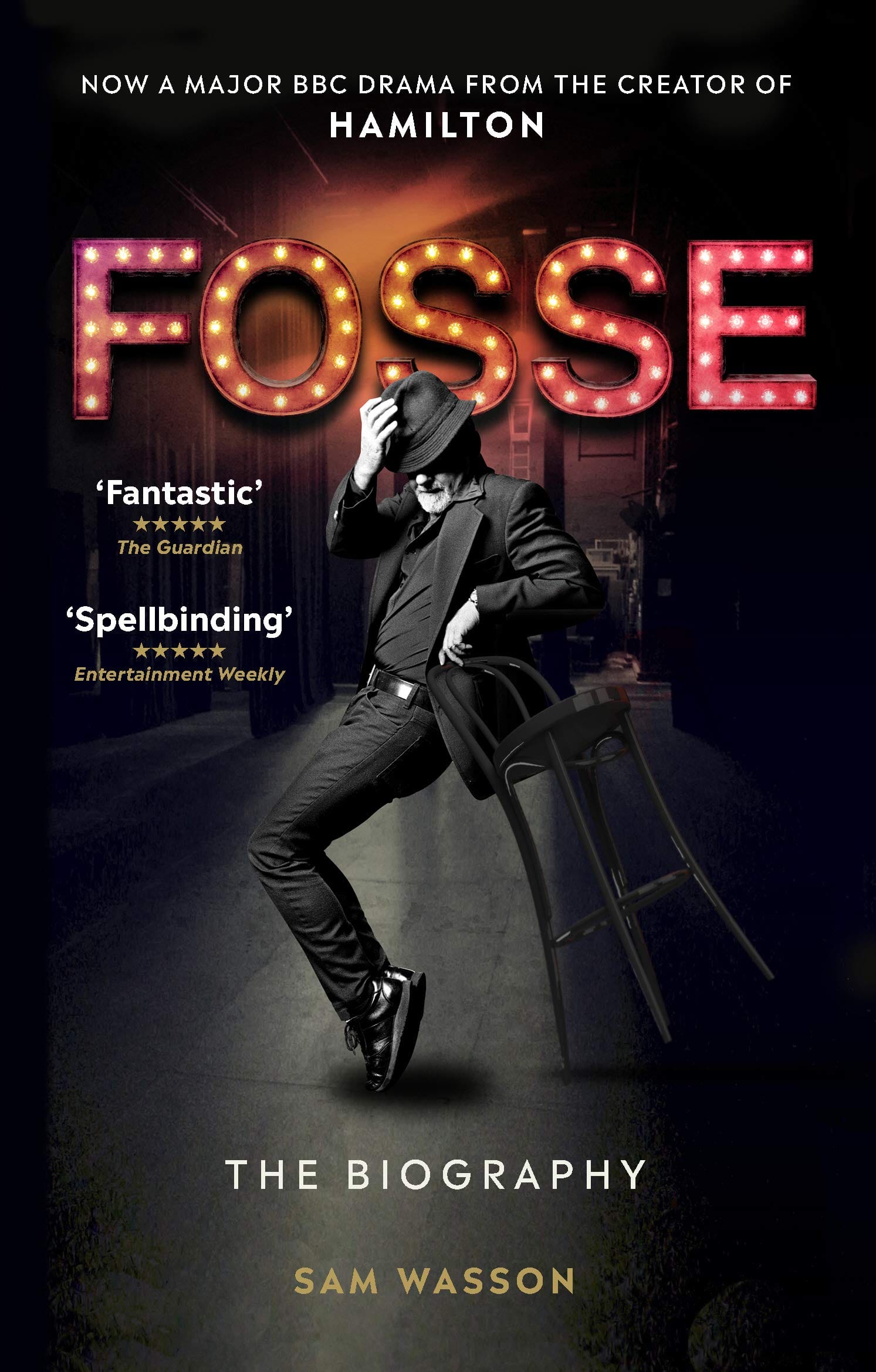
Currently Reading
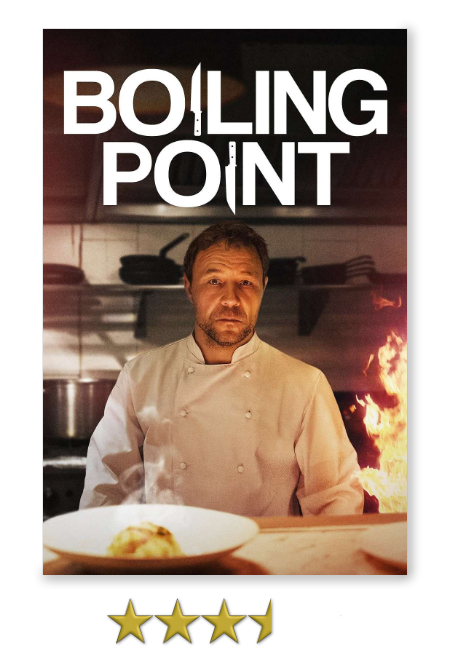
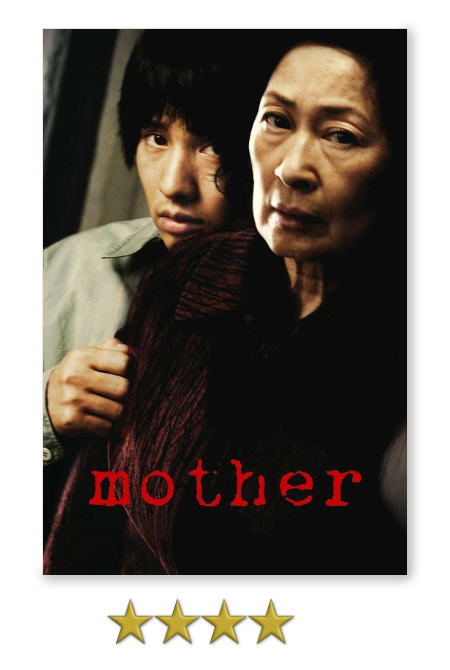
Movies Watched this Week
Watching 365 Movies in 2026

Comments ()