Writing a Novel in Solitary Confinement
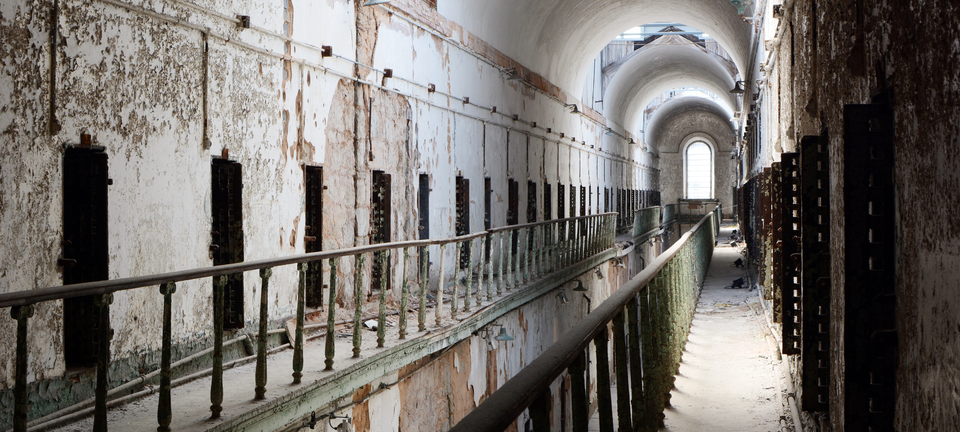
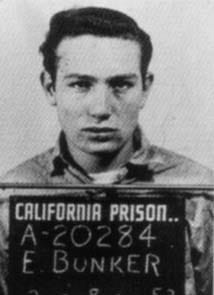
Edward Bunker was back in solitary confinement. Nothing unusual about that, the teenager spent most of his time in solitary. Aged seventeen, Bunker had the dubious honour of being the youngest inmate in San Quentin. Solitary wasn’t too bad, as he was close to the cell of death row inmate Caryl Chessman, and the two of them would talk deep into the night. Chessman was a convicted robber, kidnapper, and serial rapist, and spent twelve years acting as his own attorney appealing his death sentence.
Today was different though, as Chessman, unbeknownst to Bunker, had a gift for him. He arranged for a guard to bring Bunker a copy of an Argosy magazine, containing the first chapter of Chessman’s soon-to-be-published book, Cell 2455, Death Row: A Condemned Man's Own Story.
Bunker was amazed. “I had never imagined that a prison inmate, much less one condemned to death, could write a book and have it published.”
Bunker’s only friend on the outside, Louise Fazenda Wallis, former silent-film comedienne and wife of legendary Warner Bros producer, Hal B. Wallis, sent him a dictionary, a thesaurus, a subscription to the New York Times, and a portable typewriter. Once he had the typewriter in his hands, Bunker started writing, often having to stand or sit in semi-darkness, typing on his lap or small concrete ledges.
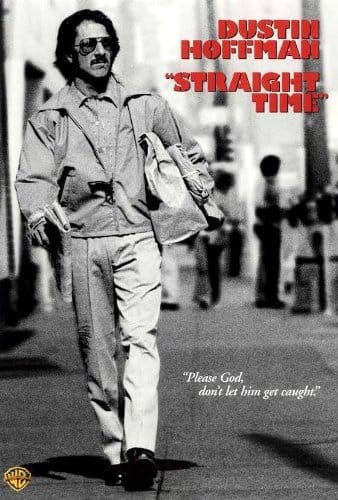
For over two decades, Bunker’s life oscillated between crime on the outside, years spent in prisons, and writing. In 1973 his first novel, No Beast So Fierce, was published, although it was the sixth novel he had written. Dustin Hoffman bought the rights for the film adaptation and asked Bunker to write the screenplay. Three years later, Hoffman offered Bunker an acting role and a job as technical advisor.
With the intervention of a District Judge, who saw potential in the convict, Bunker was allowed to finish his sentence early.
Edward Bunker never returned to prison.
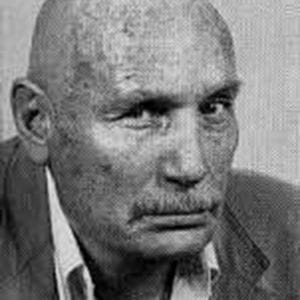
I often think of Edward Bunker on the days when I am struggling to write. There are many stories of writers’ early struggles, for example Ernest Hemingway writing fiction about the Spanish Civil War from bomb-damaged hotel rooms in Madrid, working by candlelight while artillery shells shook the building, or Jack London forcing himself to write 1,000 words every single morning before his shifts shovelling coal in a power plant, but it is Edward Bunker, and the seeming impossibility of his situation, that I always come back to.
He wrote in solitary confinement.
He sold his blood to pay for postage.
He found ways of smuggling his manuscripts out of prison.
I’m never complaining about writing being hard work again.
That's enough of that for the moment!

Currently Reading
Movies Watched this Week
Watching 365 Movies in 2026




Comments ()