Every Dog Has Two Ends
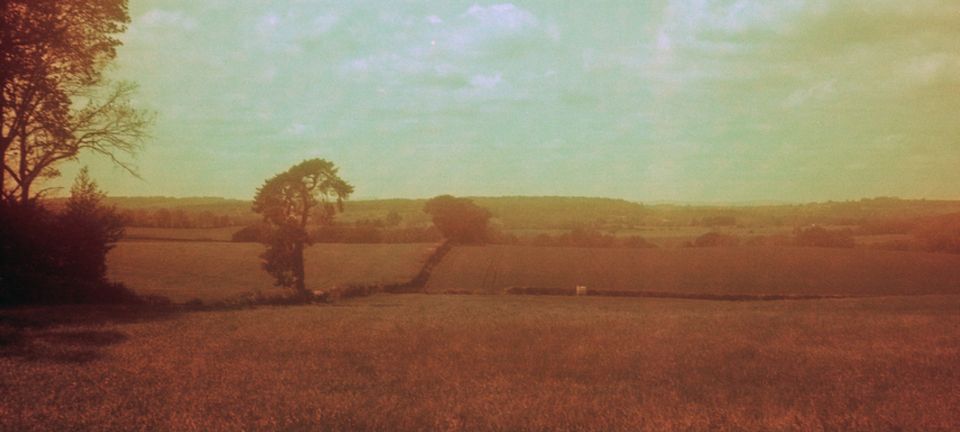
Recently I experimented with two cameras and two different rolls of film. I loaded Harman Red 120 film into a 1948 Kodak Six-20 Folding Brownie Camera. Six-20 film is no longer produced, but 120 is the same size, only the spools are slightly different.
I've loaded 120 into a camera meant for Six-20 before and never had any problems, but this time the film jammed after only four or five shots.
I managed to take a couple of decent photographs though.


I also used a roll of CineStill 800T 120 Film in my pinhole camera, but managed to fog much of the film by not closing the back properly. I'd been looking forward to trying out the CineStill as it is made from movie film stock, but it wasn't to be this time.
Every Dog Has Two Ends
Ever since discovering David Bowie used the cut-up technique for writing some of his songs I’ve been fascinated by it.
My first exposure to the cut-up technique of song and poetry writing was Life on Mars:
See the mice in their million hordes
From Ibiza to the Norfolk Broads
Rule Britannia is out of bounds
To my mother, my dog, and clowns
But the film is a saddening bore
'Cause I wrote it ten times or more
I love this song, and when I’m reading it I’m hearing Bowie sing it, which is a huge part of its attraction for me.
As I dug deeper into the cut-up technique and its history I discovered that Bowie borrowed it from William Burroughs. Have you ever tried reading a Burroughs poem or book?
Here are the first few lines of
San Diego Up to Mainvision of death..reets of yesterday..his assailant
my medium remember??? this should be//
or was..empty of switch teet..exploded Fi..Tanganyika
only
Allies wait..heavy commitments..snapped the ad
appalling con..Her fourth..payment.
Eventh?
I find that hard to read, especially compared to Life on Mars which feels like it has meaning, even if objectively it doesn’t.
Burroughs believed that by cutting up text and then mechanically mixing it up, the meaning of the piece disappears, but that it may be effective as a form of divination, saying, ‘When you cut into the present, the future leaks out.’
Burroughs was far from the first writer or artist to use found text and rearrange it to create new meaning.
Writer Austin Kleon tracked cut-up ideas back to 1883, and Lewis Carroll’s “Poeta Fit, Non Nascitur” (a reversal of the Latin adage, poeta nascitur non fit, or, “a poet is born, not made”):
“For first you write a sentence,
And then you chop it small;
Then mix the bits, and sort them out
Just as they chance to fall:
The order of the phrases makes
No difference at all.”
Burroughs talked about he got his ideas for the cut-up technique from painter and writer Brion Gysin who, in 1959, cut up newspaper articles and rearranged the sections at random:
We have seen the future in willow and rattan, manila, malacca, bamboo and hemp. These are materials for which we have a passionate weakness.
The attraction here is tea. It would be forced on the Federal Parliament, the Parliaments of the ten states, the Catholic, Protestant and Jewish communities, the association of employers and the trade unions. The national network would summon policemen and provide spokesmen.
Such basketry is too big to be on a regional basis and occupying authoritics would remain in existence. Next year we will have delegates to ENEVA as the stock is enormous.
Bowie was still using the cut-up technique much later in his career, although by this time he was using a computer program called
The VerbasizerHallo Spaceboy
Spaceboy, you're sleepy now
Your silhouette is so stationary
You're released but your custody calls
And I want to be free
Don't you want to be free
Do you like girls or boys
It's confusing these days
But Moondust will cover you, cover you
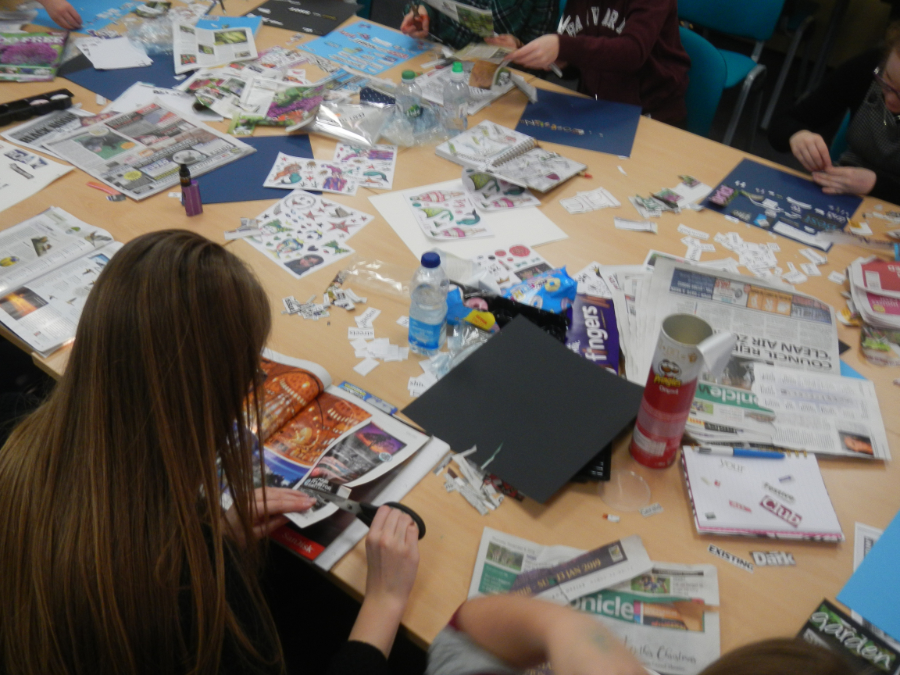
I’m loving working in an analogue way at the moment, and so I am physically cutting and rearranging text, rather than using a program. When cutting up text from magazines, the finished poem becomes a visual work of art as well as a text-based piece, as shown here in a creative writing workshop I ran on found text poetry.
My latest venture into the cut-up technique resulted in Every Dog Has Two Ends.
This project didn’t start out as a poem. Inspired by Tom Waits’s lyrics for Telephone Call From Istanbul,
Never trust a man in a blue trench coat,
Never drive a car when you’re dead.
I set out to create some new sayings and phrases. To spark some ideas I began by typing out a set of well known sayings, and then I cut them up and began rearranging them.
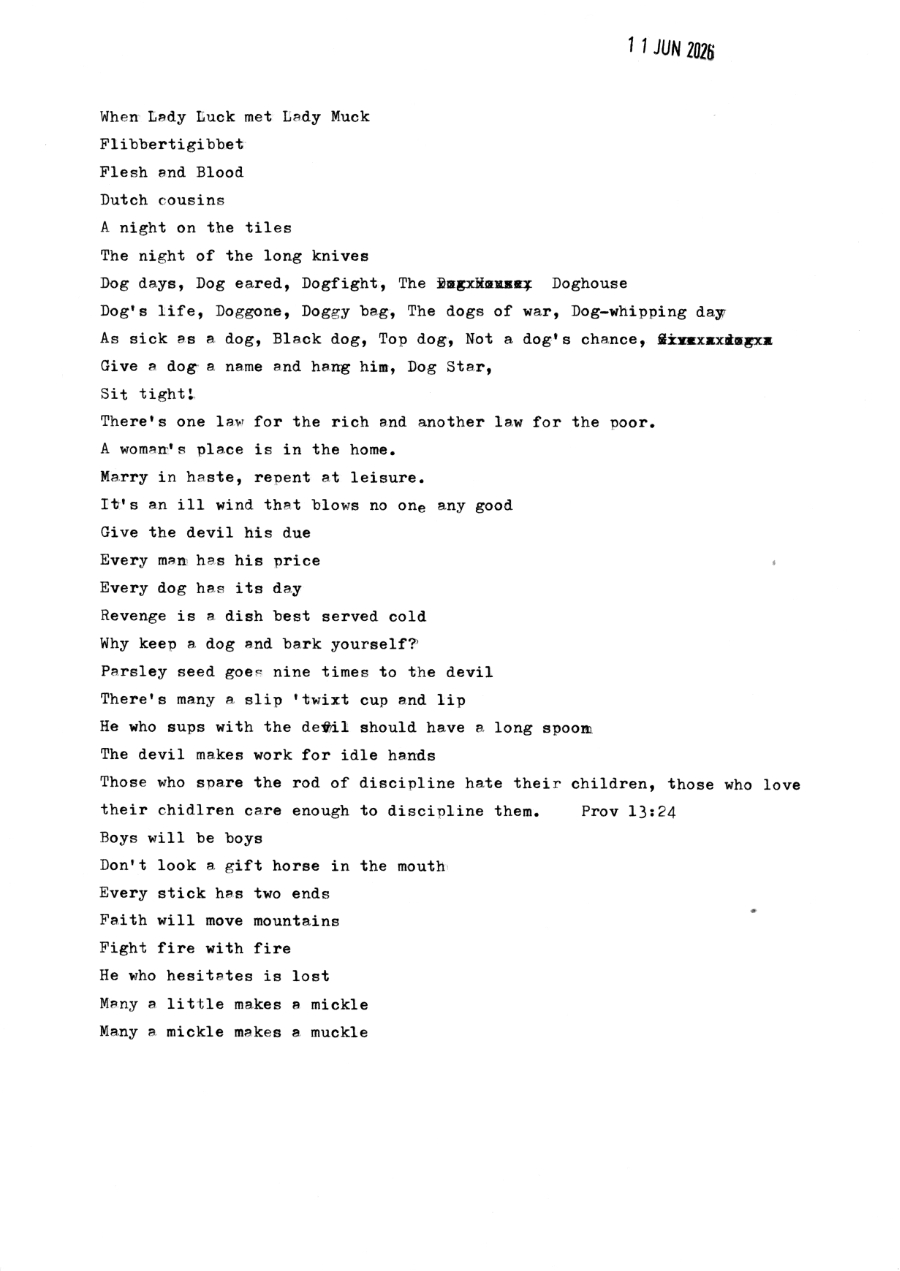
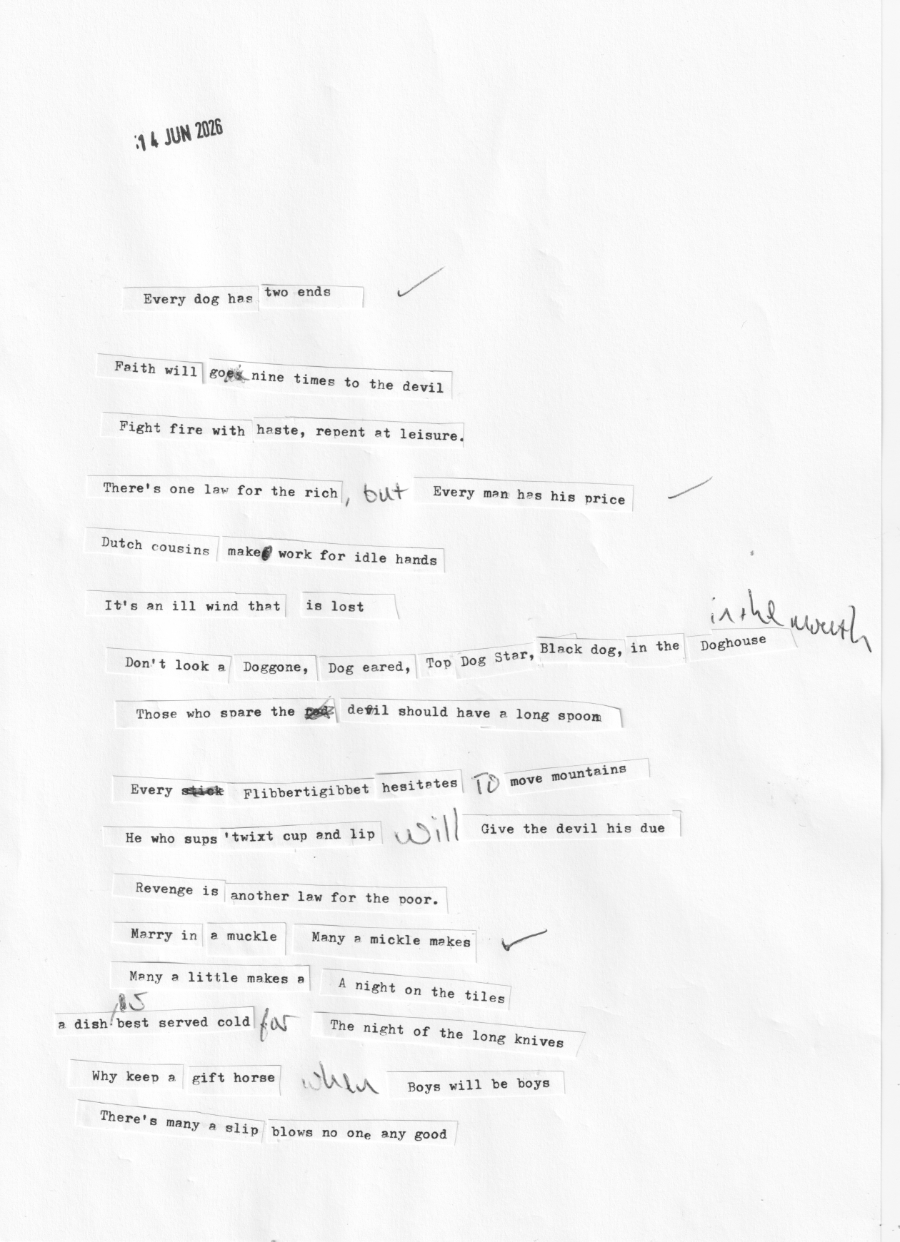
Once I had some that liked, I typed those out and then cut each saying out to rearrange those, and I soon realised that with a little rewriting I would have a poem.
You can read the finished poem below, or watch me read it out here.
They say if you fight fire with leisure, you will repent in haste,
And they say revenge is another law for the poor.
Because if it’s an ill wind that is lost,
Then those who spare the devil should sup from a long spoon.
They say a dish is best served cold for the night of the long knives,
Because he who sips ‘twixt cup and lip will give the devil his due.
They say there’s one law for the rich, but every man has his price,
And they say Dutch Cousins make work for idle hands.
They say why keep a gift horse when boys will be boys,
And faith goes nine times to the Devil.
But I say, don’t look a doggone, dog-eared, Top Dog Star, black dog in the mouth,
Because every dog has two ends.
Thanks for reading!
Currently Reading
Reading this to get me in the mood for writing my own Victorian novel.
Movies Watched This Week
Watching 365 movies in 2026



Comments ()